If you run a retail store, a food business, a farm, or any kind of operation that moves products from one place to another, nylon bags are not a luxury. They are a core part of how your business functions. The moment you start buying them in small quantities from local traders, you are leaving money on the table and setting yourself up for constant supply disruptions.
Buying nylon bags in bulk in Nigeria is one of the highest-leverage cost decisions any product-based business can make. Done right, it lowers your per-unit cost significantly, gives you better negotiating power, and ensures you never run out of packaging at the worst possible moment. Done poorly, it ties up capital in the wrong product, saddles you with bags that do not meet your quality requirements, and creates more problems than it solves.
This guide walks you through everything you need to know before placing a bulk order for nylon bags in Nigeria: the types available, how pricing works, what minimum order quantities to expect, how to evaluate suppliers, and how to negotiate better rates. By the end, you will have a clear picture of how to buy smarter and get more value from every naira you spend on packaging.
Why Businesses Buy Nylon Bags in Bulk
The economics of bulk purchasing are straightforward. When you buy in volume, the cost per unit drops. The supplier’s overhead per order decreases, they are willing to pass some of that saving on to you, and you both benefit from fewer transactions. For nylon bags specifically, the difference between buying in small quantities and buying in bulk can be substantial, sometimes as much as 30 to 50 percent per unit, depending on the product type and supplier.
Beyond cost, bulk buying provides supply security. Packaging shortages are more disruptive than most business owners anticipate. If you run a food business and your nylon bags run out on a busy weekend, you either turn customers away or scramble to buy at retail prices from the nearest open market. Neither outcome is acceptable for a serious operation. Holding a bulk inventory buffer removes that vulnerability entirely.
There is also a consistency benefit. When you buy in bulk from a single supplier, every bag in that batch is manufactured to the same specification. Size, thickness, print quality, and material composition are uniform. For businesses that depend on branded or printed bags, this consistency is especially important. It protects your brand presentation and ensures your customers receive a predictable experience every time.
Types of Nylon Bags Available for Bulk Purchase in Nigeria
Not all nylon bags are the same, and understanding the differences helps you specify exactly what you need before approaching any supplier. Ordering the wrong type in bulk is an expensive mistake.
- Low-Density Polyethylene (LDPE) bags are soft, flexible, and commonly used for everyday shopping, supermarkets, and light retail packaging. They are the most widely available and generally the most affordable option in the Nigerian market.
- High-Density Polyethylene (HDPE) bags are thinner but stronger than LDPE bags. They are commonly used in open markets, pharmacies, and fast food businesses. Their strength-to-thickness ratio makes them cost-efficient for high-volume, low-weight applications.
- Polypropylene (PP) woven bags are heavy-duty and used primarily in agriculture and industrial packaging for products like grains, fertilizers, animal feed, and cement. If your business operates in these sectors, woven PP bags are likely your primary packaging material.
- Printed nylon bags are custom bags with your business name, logo, or branding printed directly on the surface. They are popular with retail stores, boutiques, pharmacies, and food businesses that want their packaging to double as a marketing tool. Lead times are longer than plain bags, and minimum order quantities are typically higher.
- Zipper and resealable bags are used in food packaging, pharmaceuticals, and consumer goods where the product needs to be sealed after opening. They carry a higher unit cost but serve a specific functional purpose that plain bags cannot replace.
Before you approach a supplier, know exactly which type you need, the specific size dimensions in millimeters or inches, the required thickness in microns, and whether you need plain or printed. Vague briefs produce inconsistent results.
How Bulk Pricing Works in Nigeria
Nylon bag pricing in Nigeria is influenced by several variables, and understanding each one puts you in a better position to evaluate quotes and negotiate effectively.
Raw material cost is the primary driver. Nylon bags are made from petrochemical-derived plastics, and their prices move with global crude oil prices and local resin import costs. When the naira weakens against the dollar, resin prices go up, and bag prices follow. This is not a supplier excuse. It is a real market dynamic that every buyer needs to account for when planning bulk purchases.
Quantity is the most direct lever you have. Most manufacturers operate on tiered pricing structures. A buyer ordering 10,000 bags pays a higher unit price than a buyer ordering 100,000 bags. The more volume you can commit to in a single order, the lower your unit cost will be. Understanding the specific quantity thresholds at which pricing drops is essential information to extract from any supplier before signing off on an order.
Customization and print specifications add cost. Plain bags are cheaper than printed ones. Single-color printing is cheaper than multi-color. The complexity of your design, the number of print runs required, and the type of ink used all affect the final price. If you are ordering printed bags for the first time, factor in setup costs, which are one-time charges for creating the printing plates or screens, separate from the per-unit production cost.
Thickness affects both quality and price. Thicker bags cost more because they use more raw material. Many buyers try to cut cost by specifying thinner bags and end up with packaging that tears under normal use, frustrating their customers and damaging their brand. Specify the minimum thickness that actually works for your product, not the cheapest option available.
Delivery and logistics are often overlooked in initial pricing conversations. A supplier quoting ex-factory prices is not quoting delivered prices. Depending on where you are in Nigeria and where the manufacturer is based, freight can add meaningful cost to your effective unit price. Always clarify whether a quoted price includes delivery to your location before comparing quotes across suppliers.
Minimum Order Quantities: What to Expect
Minimum order quantities (MOQs) vary widely depending on the supplier type and the product specification. Understanding the landscape prevents wasted conversations with suppliers who cannot serve your volume level.
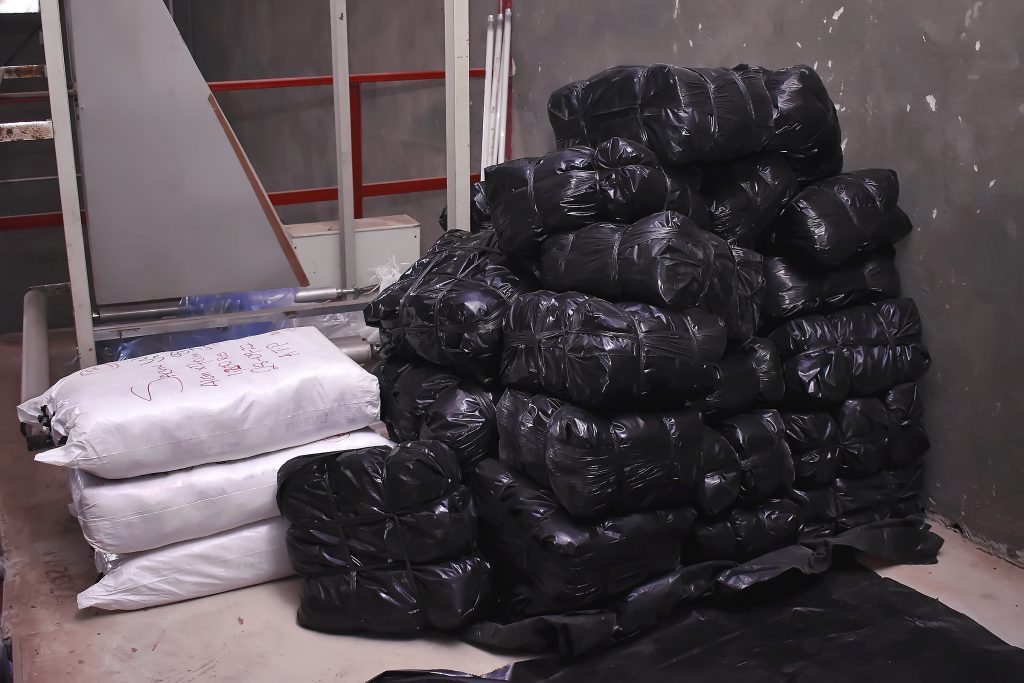
Small-scale local producers typically accept MOQs starting from 5,000 to 10,000 pieces for plain bags. For printed bags, most will require a minimum of 10,000 to 20,000 pieces to justify the setup cost of preparing print plates. If your volume requirement is below these thresholds, you are likely better served by a distributor or wholesaler rather than going directly to a manufacturer.
Medium to large-scale manufacturers generally prefer orders starting from 50,000 pieces and above. At this level, you access better pricing tiers, more consistent quality, and more reliable production scheduling. If your business moves this kind of volume, dealing directly with a manufacturer is always more cost-effective than buying through intermediaries.
For woven polypropylene bags used in agriculture and industry, MOQs are often quoted in metric tons rather than pieces, given the bulk nature of the product. Typical MOQs in this category start from 500 kilograms to one metric ton, depending on the producer.
It is worth noting that MOQs are not always fixed. A supplier’s stated MOQ is often a starting point for negotiation, not a hard floor. If you can demonstrate that you are a repeat buyer, offer a longer-term supply agreement, or consolidate an order across multiple bag types, many suppliers will adjust their MOQ requirements to secure your business.
How to Evaluate a Nylon Bag Supplier Before Committing
The bulk packaging market in Nigeria includes manufacturers who operate to international standards and traders who resell imported bags of uncertain origin and quality. Telling the difference before placing a large order requires deliberate due diligence.
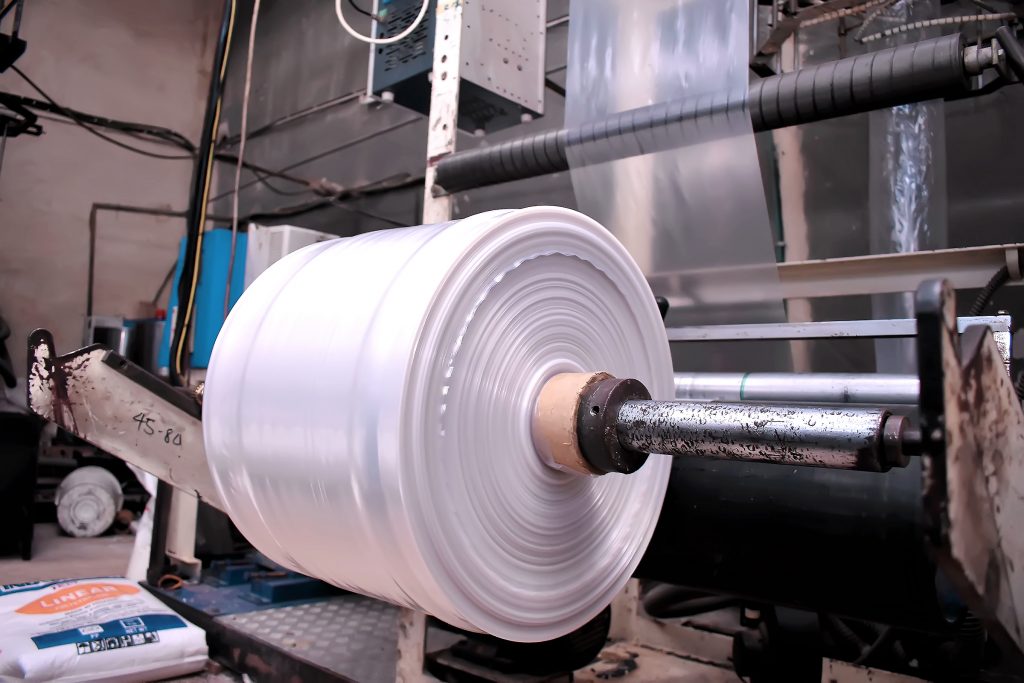
The first thing to verify is whether you are dealing with an actual manufacturer or a middleman. Middlemen have their place in the market, but if you are buying in serious volumes, purchasing directly from a manufacturer gives you better pricing, direct access to production scheduling, and the ability to verify quality at the source. Ask directly. A genuine manufacturer will be able to describe their production process, show you their facility, and provide samples produced on their own equipment.
Always request physical samples before committing to a bulk order. Photographs do not tell you anything useful about bag quality. A physical sample lets you test the thickness, assess the seal quality, evaluate print clarity on printed bags, and stress-test the material under the kind of load your products will place on it. If a supplier is reluctant to provide samples, treat that as a disqualifying signal.
Ask for references from existing clients, specifically clients in a similar industry or with similar volume requirements. A supplier who regularly serves food businesses, retail chains, or agricultural operations and can provide verifiable references from those clients is a significantly lower-risk choice than one who cannot.
Check their production capacity against your projected annual volume. A small-scale producer might handle your initial order fine but struggle to maintain consistent supply as your business grows. Understanding a supplier’s actual production capacity upfront prevents painful transitions later.
All Time Packaging: A Reliable Partner for Bulk Nylon Bag Buyers in Nigeria
For businesses that need a manufacturer they can rely on for consistent quality, competitive pricing, and dependable supply, All Time Packaging is worth your consideration.
As a Nigerian manufacturer with an established production facility and a broad product range, All Time Packaging serves businesses across retail, food, agriculture, and industry. Their product line covers LDPE shopping bags, HDPE bags, printed custom bags, and heavy-duty woven sacks, making it possible to consolidate multiple packaging needs under a single supplier relationship.
For buyers placing bulk orders, working with All Time Packaging means direct access to the production process, transparent pricing tied to actual material and production costs, and the ability to discuss custom specifications without going through layers of intermediaries. Samples are available before commitment, and the team can work with you on sizing, thickness, and print requirements to match your exact application.
If you are currently buying from open-market traders and want to understand what a direct manufacturer relationship looks like in terms of pricing and minimum volumes, reaching out to All Time Packaging for a quotation is a practical first step.
How to Negotiate Better Rates With Nylon Bag Suppliers
Negotiation in the bulk packaging market is standard practice. Suppliers expect it. Buyers who accept the first quoted price without any pushback consistently overpay. Here is how to negotiate effectively without damaging the supplier relationship.
Lead with volume commitment. The single most powerful lever in any packaging negotiation is the promise of consistent, repeat volume. A supplier who knows they are getting 100,000 bags per month from you every month is far more motivated to offer favorable pricing than one treating you as a one-off buyer. If you can commit to a quarterly or annual volume in writing, use that commitment as your primary bargaining chip.
Get at least three quotes before committing. Do not negotiate blind. Knowing the market rate for a specific bag type and specification gives you objective grounds for pushing back on a quote that is above market. Suppliers who know you have alternatives are more forthcoming with their best pricing.
Separate setup costs from unit costs on printed orders. For printed bags, ask for the setup cost and the per-unit production cost to be quoted separately. This transparency lets you calculate your true cost at different volume levels and identify where the economics change in your favor as quantity increases.
Negotiate payment terms, not just price. A lower unit price paid 100 percent upfront may be worse for your cash flow than a slightly higher price with 50 percent on order and 50 percent on delivery. Payment terms are a legitimate and often underused negotiation variable, especially once you have established a relationship with a supplier.
Ask about off-peak pricing. Manufacturers have busy periods and slow periods. If you can place orders during quieter production windows, some suppliers will offer better rates to keep their lines running. It is worth asking directly whether there are periods in the year when pricing is more flexible.
Common Mistakes Businesses Make When Buying in Bulk
Understanding what goes wrong for other buyers is just as useful as knowing what to do right. These are the most common and costly mistakes to avoid.
Ordering without a physical sample is the most frequent error. It leads to receiving a large consignment of bags that are too thin, the wrong size, or printed incorrectly. Always sample first, no exceptions.
Overbuying to chase a lower unit price is a trap many first-time bulk buyers fall into. Buying 200,000 bags when your business moves 20,000 a month to get a slightly better unit price ties up capital for ten months and creates storage challenges. Balance the cost savings against the cash flow and storage cost of the excess inventory.
Ignoring lead times creates supply gaps. Bulk orders take time to produce, especially printed bags. If you wait until your stock is almost exhausted to reorder, you will either run out before the new stock arrives or be forced to buy at retail prices as a bridge. Build a reorder trigger point into your inventory management system well before you reach critical stock levels.
Choosing on price alone without verifying quality is how businesses end up with packaging that tears, frustrates customers, and damages brand perception. The cheapest quote is rarely the best value when you factor in failure rates, replacements, and the cost to your brand image.
Conclusion
Buying nylon bags in bulk in Nigeria is a straightforward decision with a significant financial upside, but only when it is done with the right information. Know your product specification before approaching any supplier. Understand how pricing tiers work and what variables move the price up or down. Request samples before committing. Verify that you are dealing with a manufacturer who can sustain your volume over time, not just fulfill a single order.
And when you are ready to move from open-market buying to a structured supplier relationship with predictable pricing and consistent quality, All Time Packaging is a manufacturer built for exactly that kind of partnership. Reach out, share your specification, and get a quote that reflects what buying in volume should actually cost you.