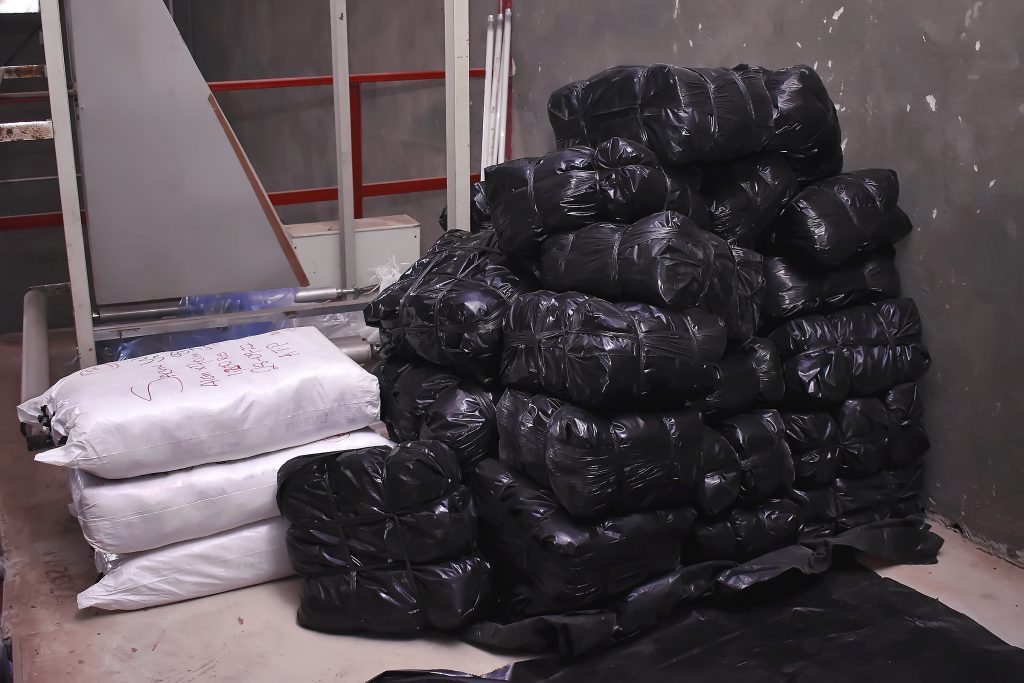
If your business operates in manufacturing, construction, agriculture, or industrial packaging in Nigeria, there is a good chance that HDPE rolls are either already part of your supply chain or should be. They are one of the most widely used industrial plastic materials in the country, and yet many buyers still source them through long import chains that inflate costs, slow down procurement, and expose their operations to foreign exchange risk.
This guide covers everything you need to know about HDPE rolls: what they are, how they are made, the specific industrial applications they serve across Nigeria, how to evaluate quality before purchasing, and why local sourcing from manufacturers based in Ogun State and the Lagos-Sango Ota corridor makes strong economic sense for bulk buyers in 2025 and beyond.
What Are HDPE Rolls?
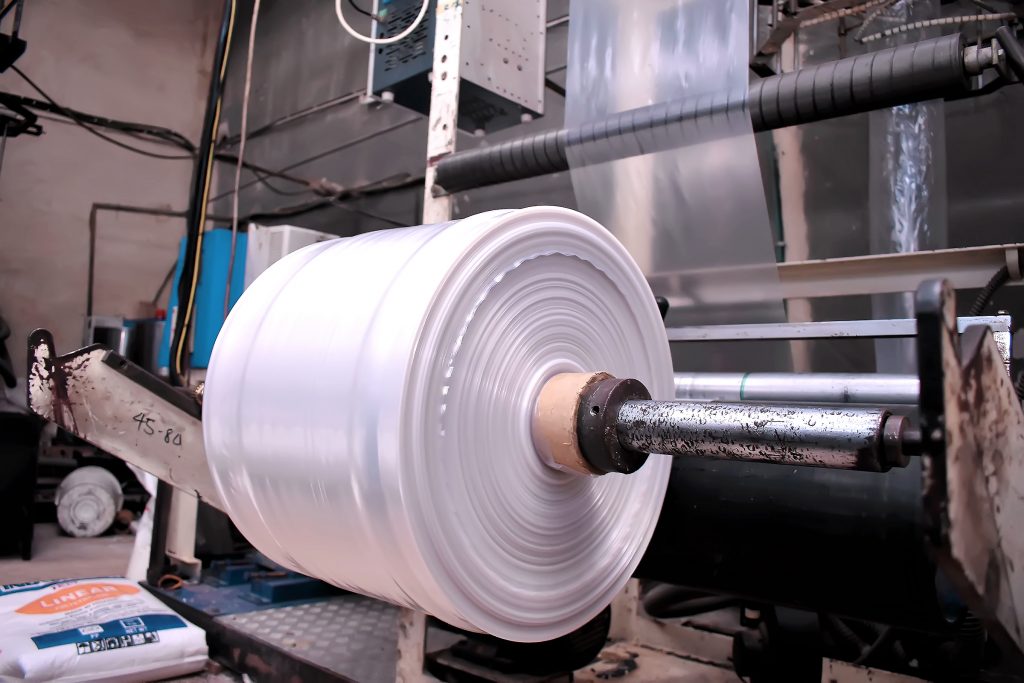
HDPE stands for High-Density Polyethylene. It is a thermoplastic polymer derived from petroleum, and it is one of the most versatile and widely produced plastics in the world. In roll form, HDPE is manufactured by extruding molten polyethylene resin through a flat or circular die to produce a continuous sheet or film, which is then wound onto a core to create a roll.
The “high-density” designation refers to the molecular structure of the material. HDPE has a more tightly packed polymer chain compared to Low-Density Polyethylene (LDPE), which gives it greater tensile strength, higher rigidity, better moisture resistance, and improved chemical resistance. These properties make HDPE rolls suitable for demanding industrial applications where lightweight plastics would fail.
HDPE rolls are available in a range of thicknesses, typically measured in microns or millimeters, and in various widths depending on the application. They can be produced as clear or opaque film, in black, white, or custom colors, and with surface treatments that enhance printability or adhesion depending on the end use.
Key Industrial Uses of HDPE Rolls in Nigeria
HDPE rolls serve a broad range of industries across Nigeria. Understanding the specific applications within each sector helps buyers identify the right product specification for their needs.
Construction and Civil Engineering
In Nigeria’s rapidly expanding construction sector, HDPE rolls are used extensively as damp-proof membranes and vapor barriers. Laid beneath concrete slabs and foundations, HDPE sheeting prevents ground moisture from rising into the structure, protecting buildings from dampness, mold, and long-term structural degradation. This application is particularly important in South-West Nigeria, where high rainfall and clay-heavy soils create persistent moisture management challenges for builders.
HDPE rolls are also used as protective sheeting on construction sites, covering materials, equipment, and freshly poured concrete against rain, dust, and UV exposure. Their high tensile strength means they resist tearing under the kind of physical stress common on active construction sites.
Agriculture and Farming
Nigeria’s agricultural sector, particularly in Ogun, Oyo, Osun, and the South-South states, relies on HDPE sheeting for mulching, greenhouse covering, and silage wrapping. As mulch, HDPE rolls laid over soil beds reduce water evaporation, suppress weed growth, regulate soil temperature, and improve crop yields without requiring ongoing chemical intervention.
For small and medium-scale greenhouse operations, HDPE film serves as an affordable and durable covering material that extends growing seasons and protects crops from excess rainfall. Black HDPE sheeting is particularly popular for pond lining in fish farming operations across the Niger Delta and South-West Nigeria, where aquaculture is a growing commercial activity.
Manufacturing and Industrial Packaging
Manufacturers across Lagos, Ogun, and Kano use HDPE rolls as wrapping material for finished goods, interleaving material between manufactured components, and as liner material inside cartons, crates, and bulk bags. In food manufacturing, HDPE film provides a moisture barrier that extends shelf life and prevents contamination during storage and transit.
Furniture and mattress manufacturers use HDPE rolls to wrap finished products before dispatch, protecting them from dust, moisture, and surface damage during transportation. In the textile and garment sector, HDPE film is used to wrap baled fabric and finished clothing for export and domestic distribution.
Waste Management and Environmental Lining
Heavier-gauge HDPE rolls are used in waste management facilities, landfill lining, and industrial lagoon construction across Nigeria. The material’s resistance to chemical permeation and its low moisture transmission rate make it the preferred liner material for containment structures where leachate or chemical leakage into surrounding soil would pose an environmental hazard. State and federal environmental engineering projects increasingly specify HDPE liner solutions for waste containment facilities.
Logistics and Warehousing
Distribution centers and warehousing operations across Lagos, Apapa, Tin Can Island, and major logistics hubs in Ogun State use HDPE rolls as pallet wrapping material, floor protection sheeting, and moisture barrier lining inside storage facilities. The lightweight nature of HDPE film, combined with its tensile strength, makes it efficient to use in high-throughput packaging environments where speed and material performance both matter.
HDPE vs LDPE Rolls: Understanding the Difference
A common point of confusion for first-time buyers is the difference between HDPE and LDPE rolls. Both are polyethylene-based films, but they behave differently in application.
LDPE is softer, more flexible, and more transparent. It is the material used for everyday shopping bags, food wrap, and light packaging films. It stretches more easily and conforms to irregular shapes, making it suitable for consumer packaging and light industrial uses.
HDPE is stiffer, stronger, and more resistant to moisture, chemicals, and puncture. It does not stretch as easily as LDPE, but it holds its shape under load and performs reliably in demanding environments. For construction lining, agricultural mulching, industrial wrapping, and waste containment, HDPE is the appropriate specification. Buying LDPE for an application that requires HDPE is a common and costly mistake.
When briefing a supplier, always specify which polyethylene type you need rather than using the generic term “nylon roll.” Many Nigerian market traders use these terms interchangeably, which leads to specification errors in bulk orders.
How to Evaluate HDPE Roll Quality Before Buying
Quality variation in the HDPE roll market in Nigeria is significant. Understanding what to check before committing to a bulk purchase protects you from receiving substandard material that fails in application.
Thickness consistency is the first thing to verify. An HDPE roll specified at 200 microns should measure 200 microns uniformly across the entire width and throughout the length of the roll. Inconsistent thickness produces weak points that tear under normal use. Ask any supplier how they verify thickness consistency during production and what their tolerance range is.
Tensile strength is the measure of how much force the film can withstand before breaking. For construction and agricultural applications, tensile strength is critical. A film that tears during installation or under field conditions negates the entire purpose of using it. Reputable manufacturers can provide tensile strength data for their products.
Moisture vapor transmission rate (MVTR) matters for applications where the HDPE roll is serving as a barrier against moisture. Lower MVTR values mean better moisture blocking performance. For damp-proof membranes and agricultural pond liners, this specification should be explicitly discussed with your supplier.
UV stabilization is relevant for any outdoor application. Unstabilized HDPE degrades under prolonged UV exposure, becoming brittle and losing its tensile strength. For greenhouse covering, outdoor construction sheeting, and agricultural mulch, always confirm that the product includes UV stabilizer additives.
Request physical samples before placing any bulk order. Inspect the sample for consistency, feel the material’s rigidity, and test it against the specific stress conditions of your application. A credible supplier will always provide samples without hesitation.
Why Local Sourcing of HDPE Rolls in Nigeria Makes Financial Sense
Many industrial buyers in Nigeria still source HDPE rolls through import agents or purchase imported products from Lagos traders. While imported HDPE rolls were once considered the only reliable option, the economics of this approach have shifted dramatically in recent years.
The naira’s depreciation against the dollar and euro has made import-dependent supply chains progressively more expensive and unpredictable. An order placed at one exchange rate can arrive at a substantially higher effective cost if the naira weakens between order placement and delivery. This exchange rate exposure is a direct financial risk that locally sourced materials eliminate entirely.
Lead times are another factor. Imported rolls typically require four to eight weeks from order to delivery when you factor in production, shipping, clearing, and inland logistics. A local manufacturer in Ogun State or Lagos can turn around a bulk order in a fraction of that time, reducing your inventory holding requirements and giving your procurement team greater flexibility to respond to demand shifts.
Local sourcing also supports better supplier relationships. When you buy from a manufacturer you can visit, inspect, and communicate with directly in your own time zone and in your own language, quality issues are identified and resolved faster, and the relationship can develop into a genuine supply partnership rather than a transactional arrangement managed across email and shipping documentation.
For businesses in Lagos, Ogun State, and across the South-West, manufacturers based in the Sango Ota industrial corridor offer a particularly practical advantage: proximity. Sango Ota sits at the boundary of Lagos and Ogun State and is one of Nigeria’s most active industrial zones. Buyers in Lagos, Ibadan, and surrounding areas can source from this corridor with minimal freight cost and fast turnaround times.
All Time Packaging Nigeria Ltd: Local HDPE Roll Supply for Industrial Buyers
For industrial buyers looking for a Nigerian manufacturer, they can source HDPE rolls from directly. All Time Packaging Nigeria Ltd is worth contacting.
Based in Sango Ota, Ogun State, All Time Packaging produces HDPE rolls and a broad range of industrial plastic film products for buyers across manufacturing, construction, agriculture, and logistics. Because they manufacture locally, their pricing is naira-denominated, their lead times are shorter than import-based alternatives, and buyers can visit the facility, inspect production, and discuss specifications directly with the team.
Their product range covers multiple thickness options and roll widths, with the capacity to handle bulk orders at the volumes industrial and commercial buyers require. Whether you need HDPE sheeting for construction lining, agricultural mulching, manufacturing wrapping, or warehouse protection, All Time Packaging can produce to your specification rather than offering only standard imported stock.
For buyers who have been managing HDPE roll procurement through traders or import agents and want to understand what a direct manufacturer relationship looks like in terms of pricing, lead times, and minimum order quantities, reaching out to All Time Packaging for a quotation is a straightforward first step.
What to Tell a Supplier When Requesting a Quote
Getting an accurate quote for HDPE rolls requires you to provide specific information upfront. Vague requests produce vague responses and slow down the procurement process. When you contact a supplier, come prepared with the following:
- The application you are buying for, such as construction lining, agricultural mulching, product wrapping, or warehouse sheeting
- The thickness you require in microns or millimeters
- The roll width in meters or millimeters
- Whether you need clear, black, white, or a specific color
- Whether UV stabilization is required
- Your required quantity per order and your estimated monthly or annual volume
- Your delivery location, so freight can be factored into the quote
The more precisely you specify your requirement, the faster a serious supplier will be able to give you a usable price, and the less likely you are to receive a generic quote that does not reflect your actual needs.
Conclusion
HDPE rolls are not a commodity to be bought blindly from the nearest open-market trader. For any business using them at meaningful volumes, the specification, supplier reliability, and sourcing strategy all directly affect your cost base, operational efficiency, and product quality.
Nigeria has the manufacturing infrastructure to supply industrial-grade HDPE rolls locally, at competitive naira prices, with lead times that import-dependent supply chains cannot match. For buyers in Lagos, Ogun State, and across the South-West, that infrastructure is closer than most realize.
If you are ready to move your HDPE roll procurement onto a more structured, cost-efficient footing, All Time Packaging Nigeria Ltd in Sango Ota is a manufacturer worth speaking to. Share your specification, request a sample, and get a clear picture of what local sourcing can actually save your business.